

TradeInsight
Africa's Second Scramble
Companies and governments from the United States and China and the Gulf are arriving across Africa for the minerals behind electric vehicles and wind turbines…
Oct 12, 2026

Credible Perspectives brings research, analysis and editorial formats to the questions facing institutions in African markets. Explore public insight on policy, capital and trade, or commission work around a decision your organisation needs to make.
We connect a clearly defined subject with evidence, interpretation and a format suited to its audience.
For an executive, that may be an informed view of a sector. For an investor, it may be a private market study. For an NGO or public institution, it may be research around a programme or policy question. For an organisation developing its public voice, it may be a branded podcast or interview series built around useful conversations.
Public analysis helps readers interpret developments and identify questions worth examining further. Browse content by subject and format, and review the sources, author and publication date for the context behind a piece. A published article can inform discussion; a consequential institutional decision may need a more specific evidence base.
We aim to make the relationship between evidence and interpretation clear. Findings, assumptions and commentary should be distinguishable, and the geographic and time context should be visible. This helps readers judge how an insight relates to their own institution and the decision in front of them.
Companies and governments from the United States and China and the Gulf are arriving across Africa for the minerals behind electric vehicles and wind turbines…
Oct 12, 2026
Oct 12, 2026
Oct 8, 2026
Oct 7, 2026
The newest analysis across every format.

Oct 6, 2026

Oct 5, 2026
Aug 26, 2026
Aug 25, 2026

Feb 23, 2026
Our domains connect policy developments, capital markets and trade integration with institutional and sector questions. A financing environment can affect enterprise growth. Policy change can alter operating conditions. Trade and market structures can shape routes to customers, partners and investment.
Explore the published material relevant to your sector and question. Where you need country-specific work, a defined market assessment or evidence for an internal decision, the commissioned route allows the brief to be shaped around your institution’s requirements.
Investment Structuring
Insights on funding, private equity and investment vehicles.
Institutional Reform
Analysis of regulatory frameworks and shifts.
Supply Chain Intelligence
Intelligence on regional trade and markets.
Commissioned work
Research and Market Intelligence is the commercial route for private studies and decision-support work. A commission can examine sector structure, market demand, policy developments, ecosystem relationships or institutional capability. Begin with the question, the geography, the intended use and the evidence needed to answer it.
The proposal should set out the research method, sources, outputs, timeline and limitations. It should also identify the information required from your organisation, confidentiality arrangements and ownership or publication rights. A report, presentation, dataset or executive briefing should be specified as an output, rather than assumed to be included.
Some teams need to monitor a market or issue over time. An institutional intelligence commission can define the sectors, geographies, policy developments or commercial signals that matter to that team, together with an agreed reporting frequency and format.
Discuss who will use the intelligence, how it contributes to decisions and what level of analysis is required. A recurring brief might combine a documented update, an issue tracker and a review conversation, where those outputs are agreed. The commercial arrangement should state the scope, permitted users, source treatment and renewal terms.
Your organisation can commission a podcast or interview series under its own brand. The work begins with the audience and purpose: leadership insight, a sector discussion, a programme story, practitioner learning or another defined editorial objective.
A ten-episode series can be planned as a complete production commission. The agreed scope may include concept development, topic and episode planning, research, guest coordination, interview preparation, recording arrangements, editing, artwork, descriptions, transcripts or captions, and distribution support. The proposal should specify what each episode contains, its format, approval stages, revision allowance and publication schedule.
Agree guest permissions, brand ownership, hosting-account access and the platforms where the episodes will appear. Distribution means completing the agreed publishing work; audience growth depends on the subject, quality, promotion and response. A commissioned series should be clearly identified as commercial content where appropriate.
The platform organises published content through insights, research, interviews, podcasts and other editorial formats. Choose the format that suits how you want to explore a subject. A short analysis can introduce an issue; an interview can examine a practitioner’s perspective; a longer publication can develop a topic in greater depth.
Institutional partners can discuss a commissioned publication or media project with a defined audience and output. The editorial and commercial terms should identify how sources are reviewed, who approves the work and how any sponsorship or partnership is disclosed.
Conversations with the people shaping policy and markets.
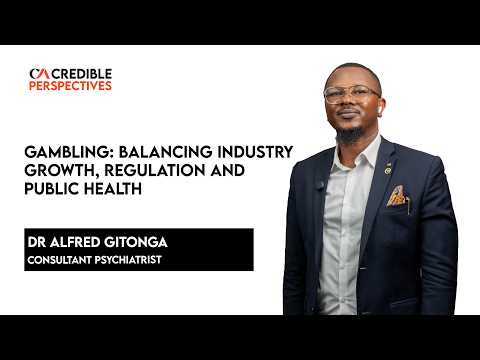

Season 1 • Episode 2
Season 1 • Episode 1

Season 1 • Episode 5

Season 1 • Episode 4
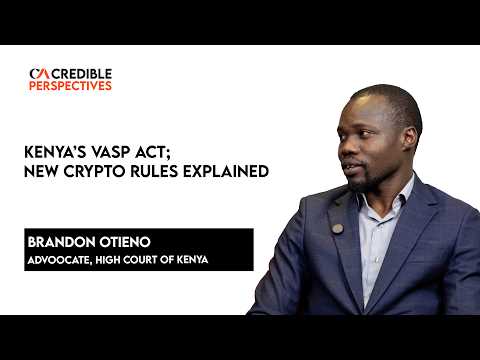
Season 1 • Episode 3
The Credible Dispatch is the platform’s executive briefing subscription. Use the subscription form to receive the published briefing and review the applicable privacy information. A public newsletter subscription is separate from a private institutional intelligence commission.
Explore The Credible DispatchBy subscribing, you agree to our Privacy Policy.
Commissioned work begins with a brief and a proposal. Agree the objective, outputs, timing, fees, rights and client inputs before delivery. Research requires a clear chain from question to sources and analysis. Media production requires an editorial plan, permissions and documented approvals. The finished work should be reviewed against the scope and its intended use.
Yes. It is the public research, intelligence and editorial platform associated with Credence Africa and connected to its wider institutional services.
Yes. Use the Research and Market Intelligence service route and describe the decision, question, geography, evidence requirements and intended outputs.
The scope can focus on defined sectors, markets, policy developments or institutional issues. Reporting frequency, source coverage and permitted users should be agreed in the proposal.
Yes. Share the brand, audience, purpose, topics and episode requirement. A production proposal should identify the editorial, recording, editing and distribution work included.
Yes. A series can be planned as one commission, with an episode schedule, outputs, approvals and commercial terms agreed before production starts.
No. Public editorial work follows its own purpose and review process. Branded, sponsored or commissioned content should be identified clearly and governed by its agreed terms.
Confidentiality and publication rights belong in the research contract. Private work should not be published without the permissions agreed with the commissioning institution.
No. Production and agreed distribution can be delivered as services. Audience response depends on the content, promotion, subject and viewers or listeners.
Bring the decision you need to inform or the conversation your organisation wants to create. We will discuss the research, intelligence or media scope that fits it.